Poland Mobility
First project meeting in Poland
About the Mobility
Meeting in Poland 19-24 April 2026
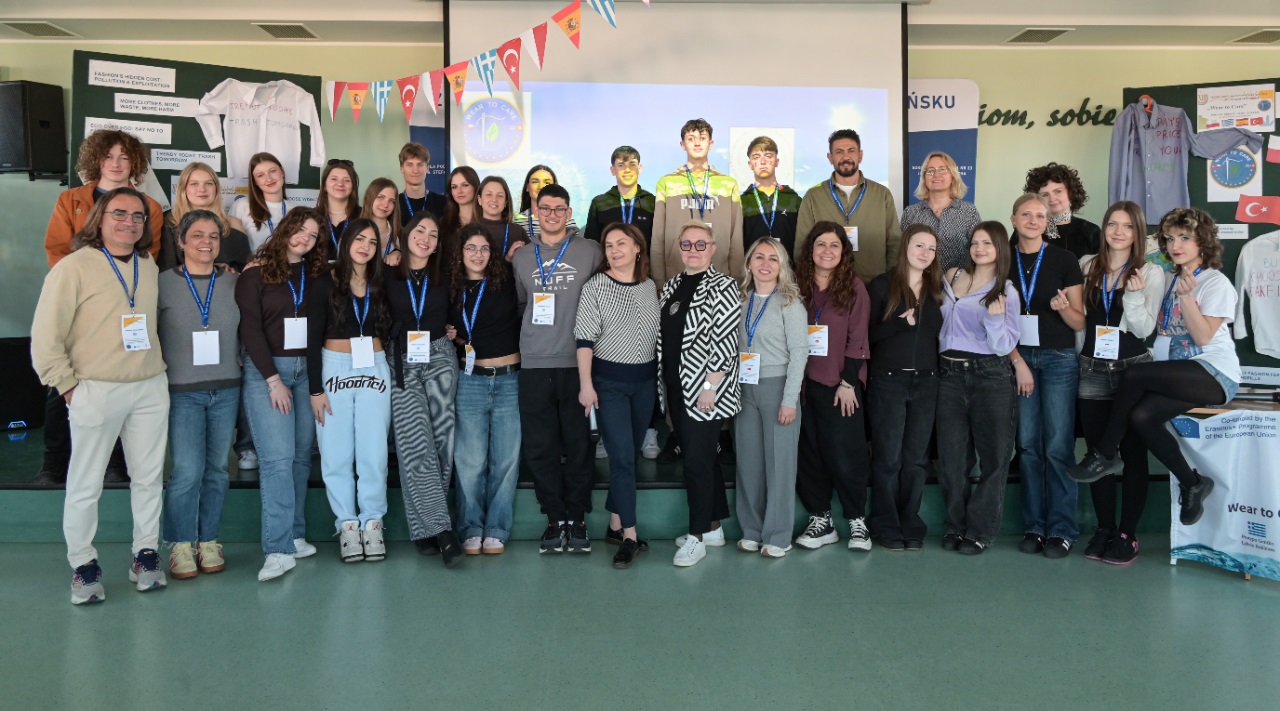
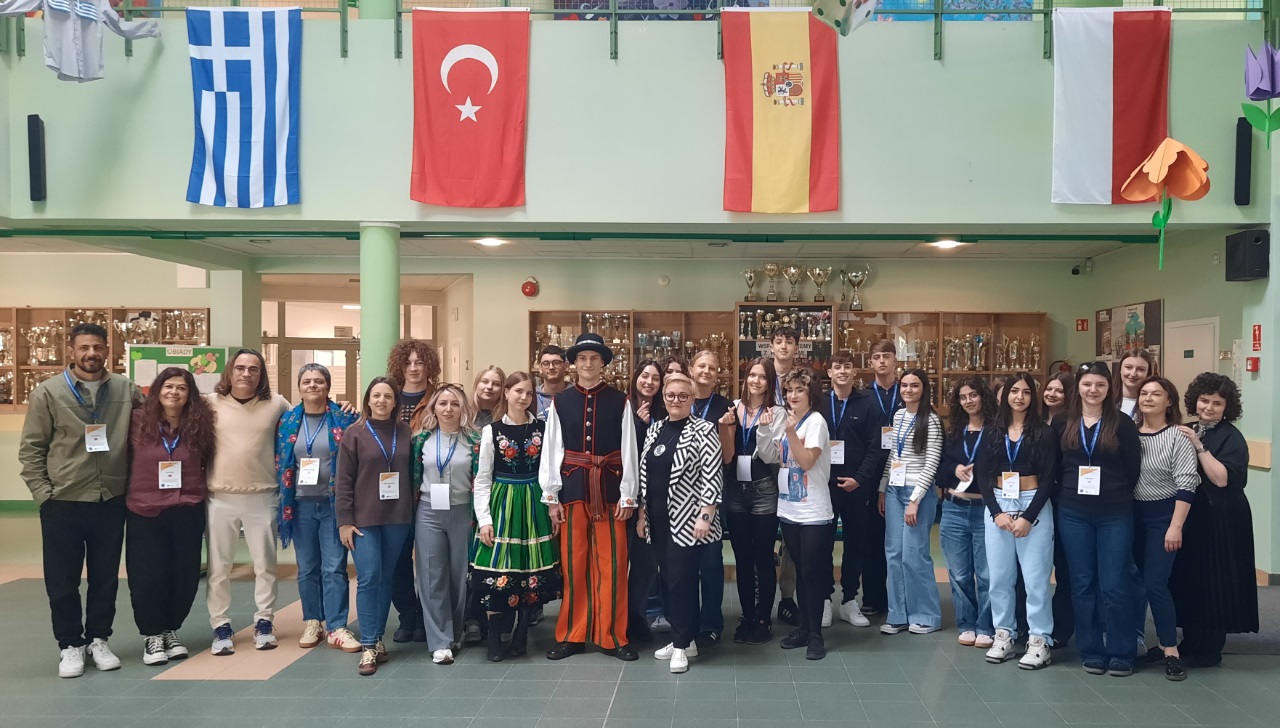
From 20 to 24 April 2026, students and teachers from Poland, Greece, Türkiye and Spain took part in an Erasmus+ mobility focused on sustainable fashion and environmental awareness. Through workshops, an eco-fashion show, cultural activities, a street survey and creative sewing workshops, participants explored fast fashion, recycling and water consumption. The mobility was a valuable opportunity to learn, create, share ideas and develop intercultural skills.
Activities
-
🌱 Workshops on fast fashion and slow fashion
-
♻️ Activities focused on clothing recycling and upcycling
-
👗 Eco-fashion show featuring outfits made from recycled materials
-
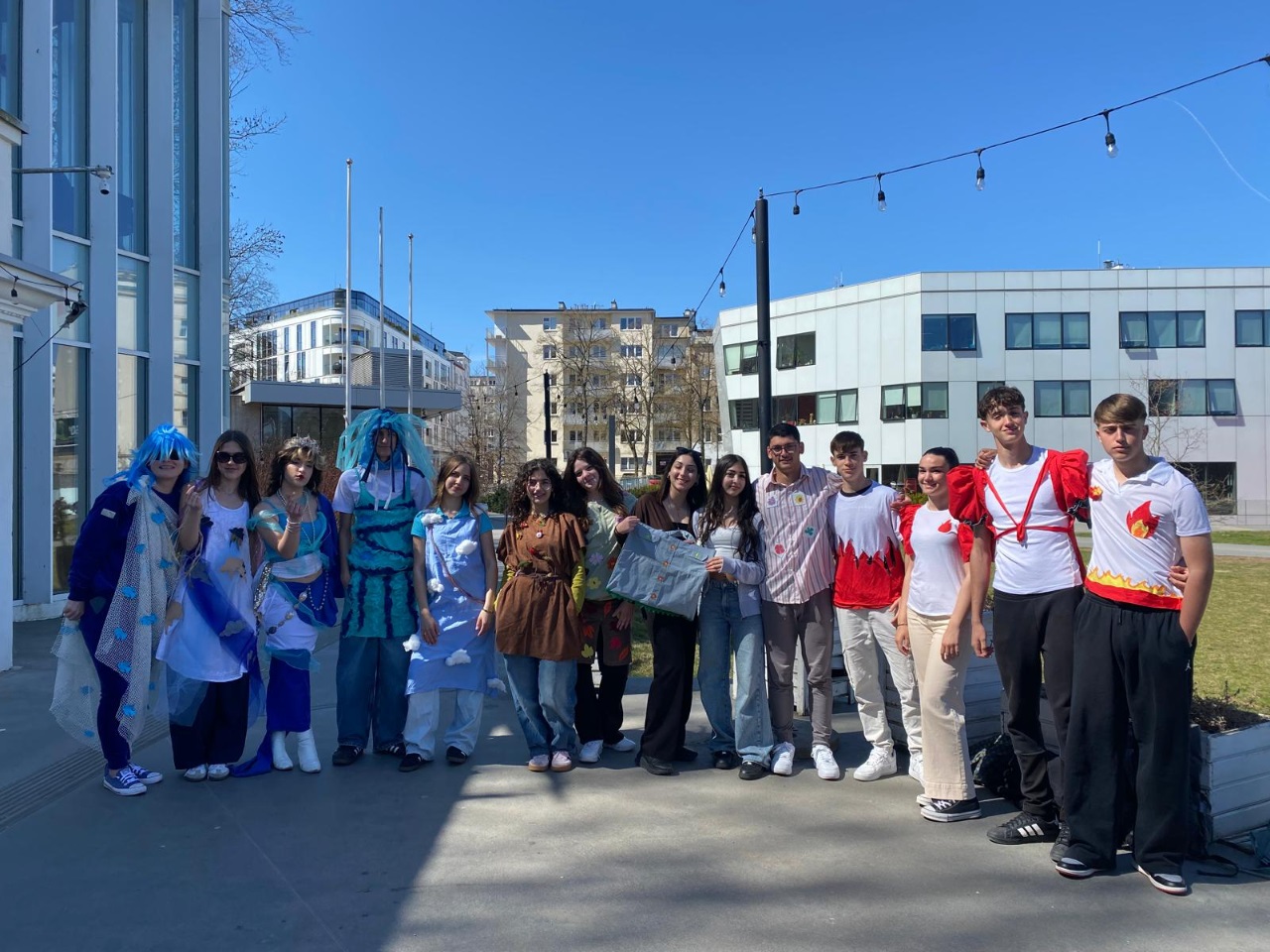
🌊 Creating outfits inspired by water, earth, fire and wind
-
🌍 Discussions and activities on the environmental impact of the fashion industry and water consumption
-
🏙️ City game focused on fast fashion
-
🏛️ Sightseeing in Gdynia and discovering Polish culture
-
🕊️ Visit to the Museum of the Second World War
-
📋 Street survey in Sopot about sustainable fashion
-
🧵 Sewing workshops using sewing machines
-
🧸 Creating soft toys and oven mitts from various materials
-
🤝 International team-building and integration activities
-
💬 Developing language, social and intercultural competences
Galeria
Meeting in Poland 19-24 April 2026
Erasmus+ Mobility in Poland: Wear to Care – Sustainable Fashion for a Thirst-Free World
From 20 to 24 April 2026, our school hosted an international Erasmus+ mobility for students and teachers as part of the project “Wear to Care: Sustainable Fashion for a Thirst-Free World.” We were delighted to welcome our partners from Greece, Türkiye and Spain. Together with our school community, they took part in a variety of educational, creative and cultural activities focused on sustainable fashion and environmental awareness.
The main aim of the project was to raise young people’s awareness of environmental issues and encourage them to reflect on the impact of the fashion industry on our planet, with particular attention to water consumption. Throughout the mobility, participants explored how everyday choices related to clothing can affect the environment and learned about more sustainable alternatives.
Discovering slow fashion
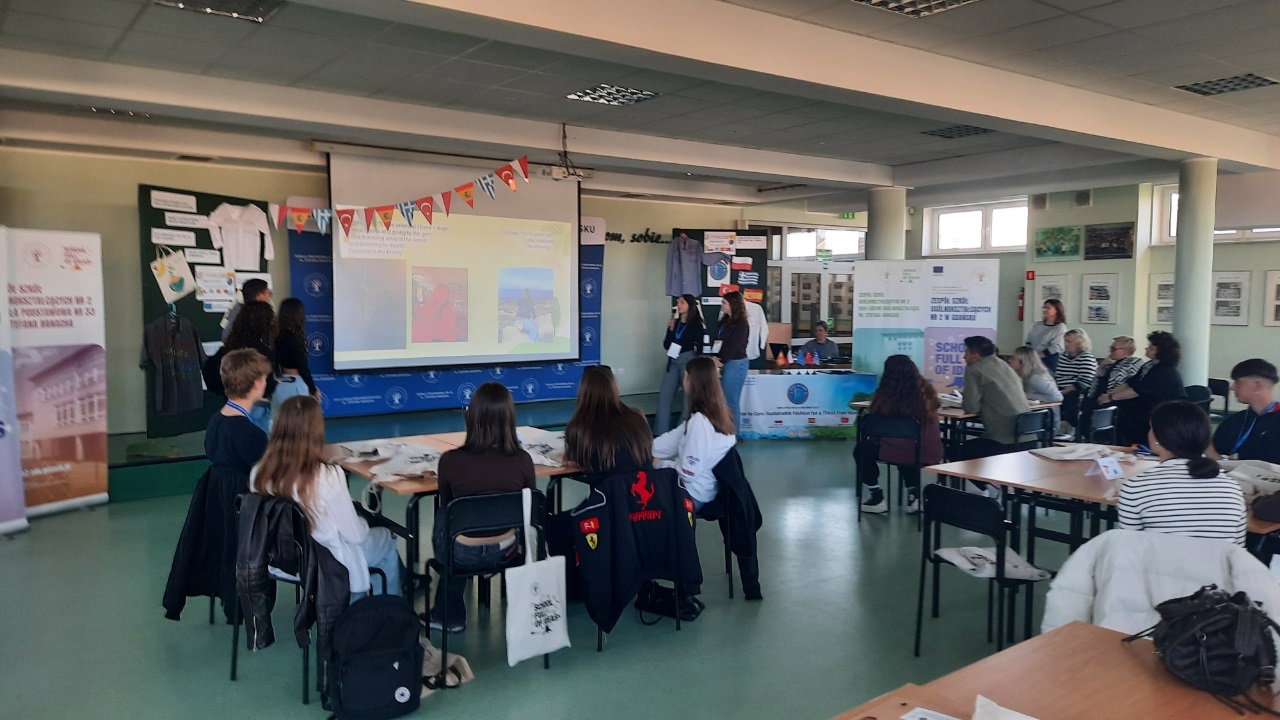
The mobility officially began on Monday, 20 April. The participants took part in workshops, presentations and practical activities devoted to fast fashion and slow fashion. They explored the environmental consequences of excessive clothing consumption and discussed ways of making more responsible choices when buying, using, reusing and recycling clothes.
The activities encouraged students to think critically about their consumption habits and showed them that fashion can be both creative and environmentally responsible.
Eco-fashion by the Baltic Sea
One of the highlights of the mobility was an eco-fashion show, held by the sea in Gdynia. The students presented outfits created from recycled and upcycled materials. Each international team was assigned one of the four elements – water, earth, fire and wind – and created an original outfit inspired by its theme.
The fashion show was a wonderful opportunity for students to express their creativity, work collaboratively and demonstrate that discarded materials can be given a new life. It also provided a memorable setting for promoting environmentally friendly attitudes and the idea of sustainable fashion.
Discovering Polish culture
The mobility was not only about learning and workshops. Our international guests also had the opportunity to discover Polish culture, history and traditions. The cultural programme included sightseeing, a visit to the Museum of the Second World War and a range of integration activities.
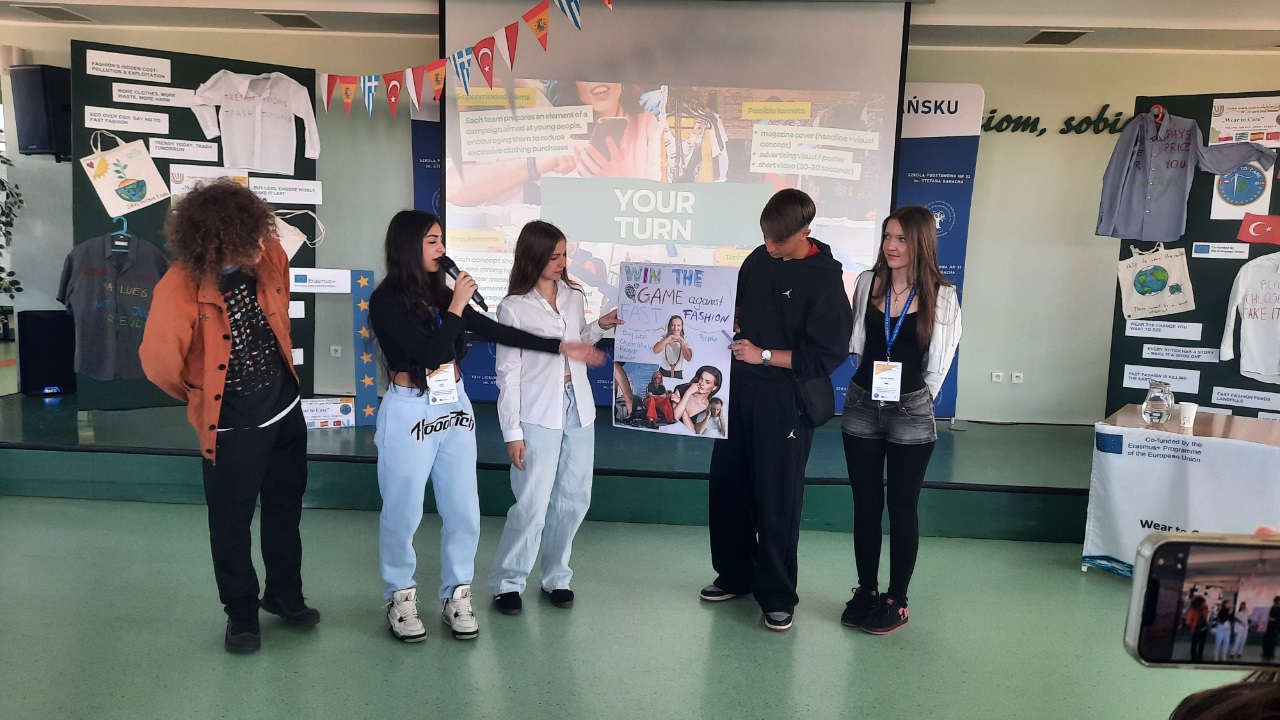
One of the activities was a city game focused on fast fashion, which combined learning, teamwork and exploration. Students from different countries worked together, exchanged ideas and strengthened their intercultural relationships.
Taking the project to the streets of Sopot
On Wednesday, 23 April, the participants travelled to Sopot, where they carried out a street survey related to the main theme of the project. Students had the opportunity to engage directly with local people, ask questions and find out what they knew and thought about sustainable fashion and its environmental impact.
This activity helped participants develop their communication and social skills while putting their language skills into practice in a real-life situation.
From old materials to new creations
On Thursday, 24 April, the participants took part in a creative sewing workshop. Everyone had the opportunity to try using a sewing machine and discover the basics of working with textiles.
Using a variety of materials, the students created practical and creative items, including oven mitts and soft toys. The workshop demonstrated how upcycling can turn unwanted or leftover materials into useful and attractive new products.
Learning, sharing and creating together
The Erasmus+ mobility was a valuable and inspiring experience for everyone involved. Students had the opportunity to develop their language, social, teamwork and intercultural competences, while gaining a broader understanding of environmental challenges and sustainable lifestyles.
Most importantly, the mobility brought together young people from different countries who shared ideas, learned from one another and worked towards a common goal: understanding how our choices can contribute to a more sustainable future.
Wear to Care – because what we wear can make a difference.